
Parenting
Nurturing a Healthy Academic Environment for Our Children
Learn how academic pressure affects student mental health. Discover how to support your child's success while protecting their emotional well-being.
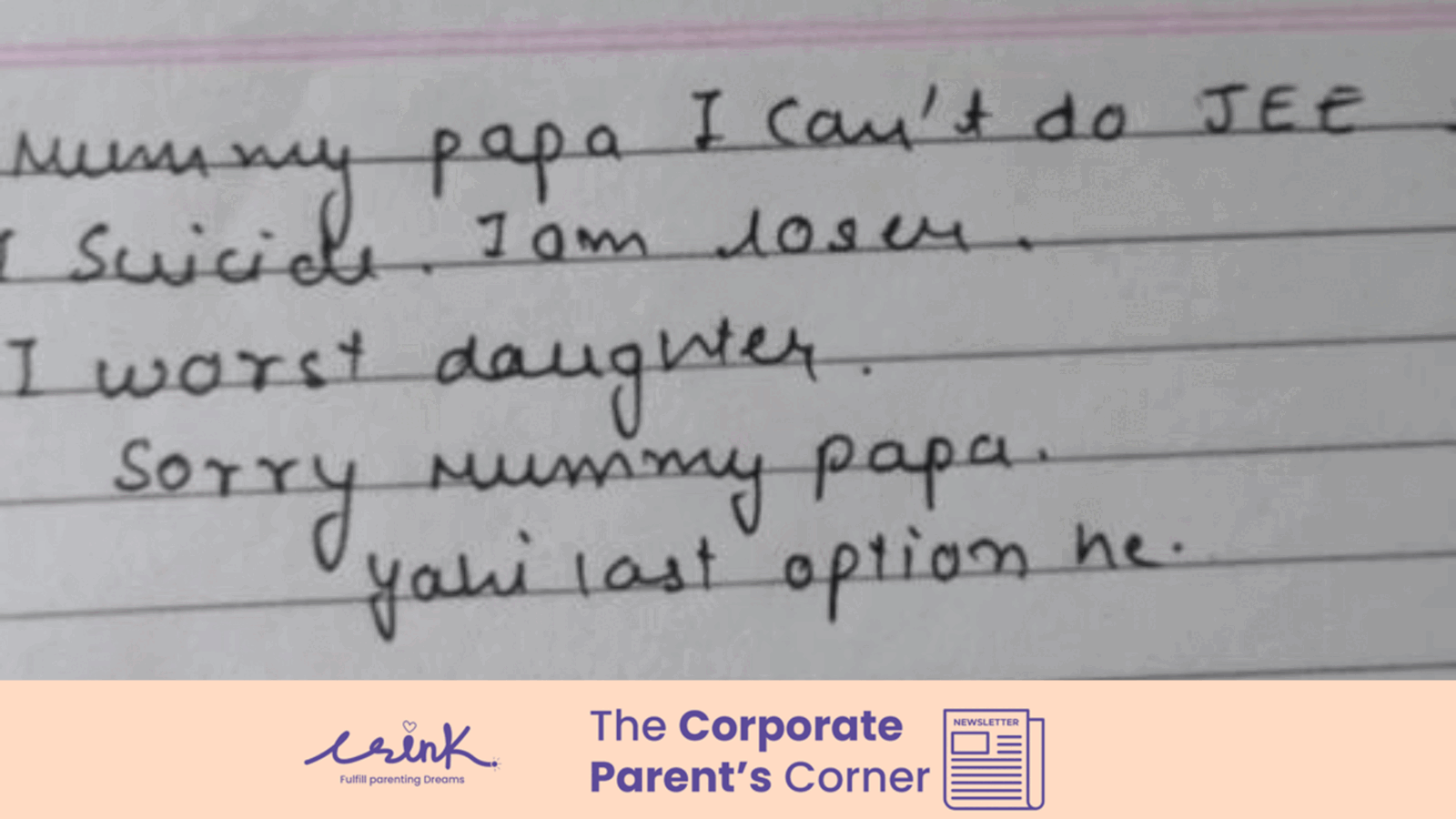
We all want our children to succeed academically. But at what cost?
Recent reporting and analysis on student suicides in India keep pushing the same question back into family life. This is not only about parenting failure. It is also about a system, and our role in it, that can break children when achievement becomes the measure of worth.
Where We’re Getting It Wrong
The pressure is not always loud. Sometimes it is built through ordinary comments that children hear again and again.
- We make achievement a measure of love: When your child gets 95%, you are proud. When they get 85%, you are disappointed. The message they hear is that they are lovable only when they achieve.
- We normalize excessive pressure: “Study hard. Everyone’s competing. You need to get into a good college.” We say this casually, but children can internalize it as a condition for worth.
- We compare our children: “Look how well your cousin did. Why can’t you?” Every comparison reinforces the idea that worth is relative.
- We ignore warning signs: Anxiety about school, avoiding social activities, sleep problems, sudden mood changes, and comments about wanting to give up are often dismissed as normal teenage stress.
Children who already struggle with self-talk or adolescence pressure often need more than academic coaching. That is why nurturing positive self-talk in children, guiding through adolescence, and children and mistakes as part of growing up belong in the same larger conversation.
What Actually Needs to Change
- How you react to failure: Not disappointment, blame, or punishment. Curiosity, support, and problem-solving. Ask what happened, what your child learned, and how you can support them differently.
- Your expectations versus reality: Wanting your child to go to a top college is understandable. But not at the cost of mental health, sleep, friendships, or emotional safety.
- Stop comparing: Every child has different strengths, abilities, and interests. Your job is not to make your child like someone else’s. It is to help them become their best self.
- Listen to their dreams: A child pursuing their passion will often outperform a child forced into someone else’s dream.
- Separate your worth from their achievement: Many parents tie their identity as a good parent to grades. But that is not where parenting is measured.
Your parenting is measured by whether your child feels safe, loved, and supported, not by their GPA.
Warning Signs Your Child Is Under Too Much Pressure
Talk to a professional if your child expresses constant anxiety about grades, withdraws from friends and activities, has dramatic mood changes, shows signs of depression or hopelessness, talks about being unable to cope, or has sleep and eating changes.
If your child mentions suicide, even in passing, seek help immediately.
What You Can Do Starting Today
- Today: Notice your reaction when your child mentions grades. Ask yourself whether you are creating pressure or support.
- This week: Have one conversation without mentioning academics. Ask about interests, not grades. Praise effort over outcomes.
- This month: Set realistic expectations with your child, reduce excessive study hours, connect them to counselling if warning signs appear, and model stress management yourself.
If you want a broader evidence base, how stress affects children’s mental health and child and adolescent mental health are helpful places to start.
Take the free Family Wellbeing Checklist
The Bottom Line
Academic success is important. But not more important than your child’s mental health.
You cannot love your child into a better GPA. But you can create safety that allows them to thrive. The priority is simple: your child’s safety and well-being, their emotional health, and then their education. Not the other way around.
FAQ
Frequently asked questions
What is the core message of "Nurturing a Healthy Academic Environment for Our Children"?
Learn how academic pressure affects student mental health. The post explains the issue in concrete, recognizable terms so readers can tell the difference between a difficult phase and something that deserves real attention.
Why does this issue matter according to the article?
According to the article, this matters because early recognition, informed support, and compassionate responses can change outcomes for the person affected and the people around them.
What practical takeaway does the article leave readers with?
The practical takeaway is to learn the signs, take symptoms seriously, and reach for timely professional or practical support rather than waiting for fear, exhaustion, or shame to deepen.
Updated on June 12, 2026