Parenting
Unlocking Gratitude: Empowering Children for Life Success!
Learn how to instill gratitude in children for happiness and resilience. Expert tips on modeling gratitude, daily rituals, and raising grateful kids.
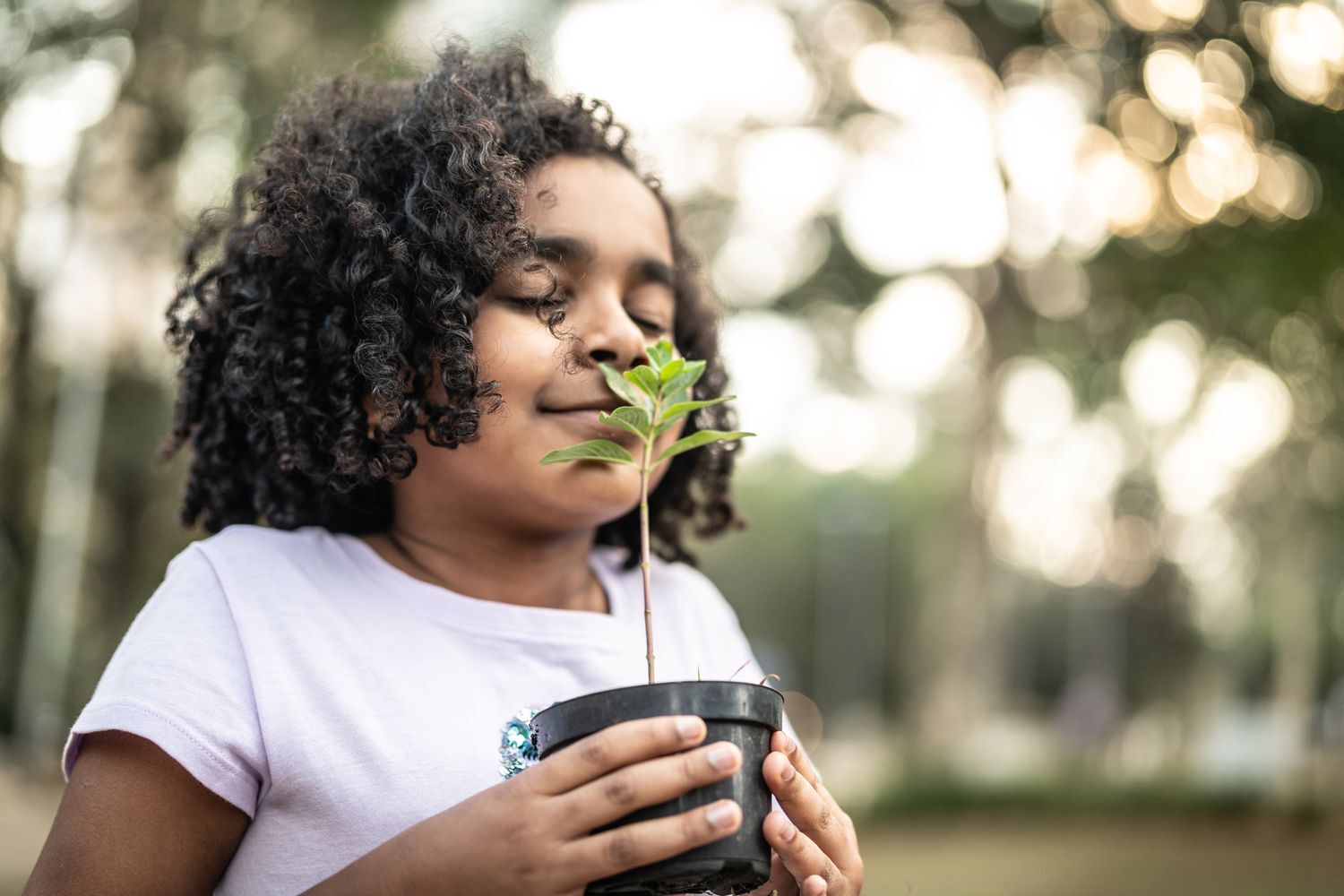
Today, we explore one of the most transformative lessons you can teach your children: gratitude.
In a world filled with distractions and endless material possessions, instilling gratitude in your kids is like arming them with a secret weapon for lifelong happiness, resilience, and meaningful connections.
Why Gratitude Matters for Your Child’s Future
Research unambiguously supports the profound benefits of gratitude for children’s well-being.
The Benefits Children Can Carry Forward
- Happier, More Optimistic Mindset - Grateful children experience greater emotional well-being
- Stronger Social Relationships - Appreciation fosters deeper connections with peers
- Academic Excellence - Gratitude correlates with better school performance
- Improved Physical Health - Grateful children report better sleep and fewer stress-related issues
- Enhanced Resilience - Gratitude helps children navigate life’s challenges with confidence
9 Proven Strategies to Cultivate Gratitude in Your Children
-
Model Gratitude: Lead by Example. Your children learn most from what they observe. Let them witness your genuine expressions of gratitude for everyday blessings, both big and small. Make gratitude a visible, intentional part of your daily life. Tip: Thank family members openly, express appreciation for a good meal, or acknowledge helpful gestures in front of your children.
-
Practice Daily Gratitude Rituals. Incorporate gratitude into your family routine through consistent practices. Share what you’re thankful for during dinner, reflect on daily blessings before bedtime, and keep a family gratitude jar where everyone contributes daily. Tip: Even 5 minutes of daily reflection builds a powerful gratitude habit.
-
Teach Gratitude Through Stories & Explanations. Help your children understand gratitude conceptually through age-appropriate discussions and real-life examples. Use stories that illustrate the importance of recognition and appreciation. Tip: Discuss how different people in their lives contribute to their happiness and safety.
-
Encourage Thank-You Notes & Creative Expression. Foster empathy and appreciation by encouraging your children to express gratitude creatively through hand-written thank-you notes, drawings or artwork, and verbal thank-you messages. Tip: This simple act teaches children the power of acknowledging kindness and builds emotional intelligence.
-
Volunteer Together as a Family. Engage in community service to instill compassion and a sense of giving back. Hands-on volunteer experiences help children understand the value of helping others, their own privileges, and the interconnectedness of community. Tip: Choose age-appropriate volunteer opportunities that align with your family’s values.
-
Shift Focus from Materialism to Experiences. Reframe success and happiness in your household. Prioritize shared experiences over possessions, emphasize the joy found in time together, and limit excessive consumption and “stuff.” Tip: Plan regular family activities that create memories rather than accumulate items.
-
Help Children Recognize Their Privileges. Develop awareness and appreciation by discussing the advantages your child enjoys, how others may face different circumstances, and the importance of gratitude for what they have. Tip: Age-appropriate conversations help build empathy without creating guilt.
-
Celebrate Achievements With Gratitude. When celebrating your child’s accomplishments, acknowledge the support they received, recognize opportunities that helped them succeed, and encourage them to express gratitude to those who helped. Tip: This teaches children that success is often a collaborative effort.
-
Encourage Perspective-Taking & Empathy. Foster deeper understanding by encouraging your children to consider different viewpoints, recognize others’ experiences and struggles, and appreciate their own blessings in context. Tip: Ask questions like “How might this person feel?” or “What challenges might they face?”
Take the free Family Wellbeing Checklist
Teaching gratitude is not a one-time lesson—it’s a journey that requires patience, consistency, and genuine commitment.
Gratitude: The Foundation for Life Success
The rewards, however, are immeasurable: children who are happier, more resilient, more empathetic, and better equipped to build meaningful relationships.
Celebrate your children’s progress as they develop a gratitude mindset.
Continue to reinforce these lessons through your words and actions.
Together, let’s empower our children to lead fulfilling lives grounded in appreciation, compassion, and authentic happiness.
FAQ
Frequently asked questions
What is the core message of "Unlocking Gratitude: Empowering Children for Life Success!"?
Learn how to instill gratitude in children for happiness and resilience. The post frames the issue through everyday parenting choices and family dynamics rather than abstract advice alone.
Why does this issue matter according to the article?
According to the article, this matters because the way adults respond shapes a child's emotional safety, confidence, and willingness to stay connected while learning.
What practical takeaway does the article leave readers with?
The practical takeaway is to slow the reaction down, stay curious about what is happening underneath the behaviour, and choose guidance, connection, and consistency over pressure, punishment, or comparison.
Updated on June 12, 2026