
Relationships
When a Fight Turns into Fear
A mother sat in my office, her hands shaking as she recounted the incident. Her child had been in a fight at school, and the other...
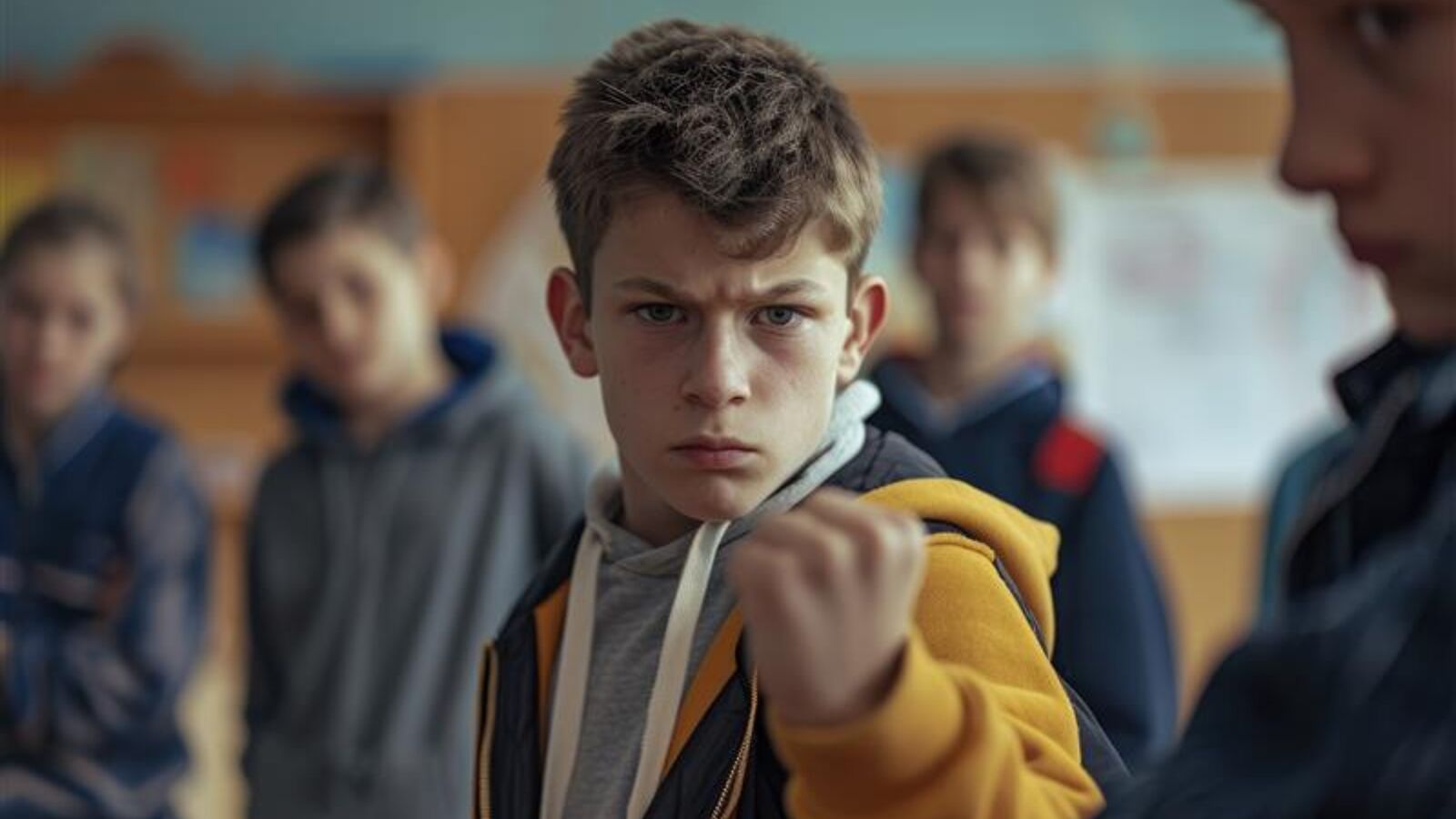
A mother sat in my office, her hands shaking as she recounted the incident.
Her child had been in a fight at school, and the other student was badly injured. It was not just the injury that scared her. It was the ease with which her child had turned to violence.
“I never thought my child would do something like this,” she said, her voice filled with fear, and she could not believe her child did this.
This is not an isolated incident. We see it happening more and more, children, teenagers, even younger kids taking aggression as their first response.
Why This Feels More Frightening Now
What used to be an occasional small fight over a toy or a misunderstanding in class has now turned into a full-blown fight where the goal is no longer just to defend oneself, but to hurt the other person to prove strength.
Children and teens today face a different world than the one their parents grew up in. There is an overwhelming exposure to violence through social media, video games, movies, and even real-life events.
But exposure alone is not the problem. The real issue is normalization, especially when young people are constantly surrounded by negative content online.
Why Kids Turn to Violence
Many children are not choosing violence because they are “bad.” They are struggling with emotions, pressure, and imitation in ways that go unchecked.
The Patterns Behind It
- Lack of emotional regulation: Many teens struggle with handling emotions in a healthy way. Instead of resolving conflicts through words, they act on impulse.
- Social media and peer pressure: Viral fights, online bullying, and the pressure to prove toughness have made aggression look like a symbol of power.
- Parenting challenges: With busy schedules, many parents struggle to monitor their child’s emotional and social development. Sometimes, small warning signs are overlooked until they escalate.
- Reduced empathy: When kids see fights treated as entertainment, whether on TV or online, they lose the ability to feel the pain of the person on the other side.
What Teenagers Need to Hear
If you are a teenager reading this, know this: winning a fight does not make you stronger.
In fact, it weakens your ability to handle the real world. Life is not about proving dominance. It is about learning to understand differences and protect your peer relationships without turning to harm.
Before raising your hand, ask yourself: would I want someone to treat me this way?
If you feel anger rising, take a deep breath. Walk away if needed. Violence can have serious consequences, not just for the other person but for you.
Violence should never be the answer.
What Parents Can Do
Parents do have a role here, and it starts before aggression becomes a crisis.
- Observe and talk: Watch for signs of aggression in your child’s behavior, frequent arguments, short temper, or enjoyment in watching fights. Talk to them regularly about their feelings.
- Teach conflict resolution: Encourage them to express anger in healthy ways, writing, exercising, or talking about it. Some studies show that sports intervention can reduce the aggression of children and adolescents. Show them that walking away from a fight is not weakness, but maturity.
- Limit violent content: If their social media, movies, or games revolve around aggression, guide them toward calmer content and physical hobbies.
- Model healthy behavior: Children learn from what they see. If they witness arguments being handled with calmness and reasoning, they are more likely to adopt the same approach.
- Get professional help if needed: If your child frequently engages in fights or lacks control over their emotions, therapy or counseling can provide effective coping strategies.
Parents who are learning to stay calm and patient often find it easier to interrupt these patterns before they get worse.
For a more grounded frame, how trauma affects the brain and body and understanding bullying and school conflicts offer useful context.
Take the free Family Wellbeing Checklist
Why This Cannot Be Ignored
Unfortunately, these cases are increasing day by day. Cyberbullying is at an all-time high, and many teens struggle with bottled-up anger.
If we continue to ignore these signs, we risk raising a generation that believes dominance is more important than empathy.
It is time we start teaching that to our children before it is too late.
FAQ
Frequently asked questions
When a Fight Turns into Fear?
A mother sat in my office, her hands shaking as she recounted the incident. The post explains the issue in concrete, recognizable terms so readers can tell the difference between a difficult phase and something that deserves real attention.
Why does this issue matter according to the article?
According to the article, this matters because early recognition, informed support, and compassionate responses can change outcomes for the person affected and the people around them.
What practical takeaway does the article leave readers with?
The practical takeaway is to learn the signs, take symptoms seriously, and reach for timely professional or practical support rather than waiting for fear, exhaustion, or shame to deepen.
Updated on March 23, 2025