Parenting
International day of innocent children victims of aggression
A day for the innocent children During my childhood, I believed that every child enjoyed the same comfort I had. Despite the familiar differences, I felt that all children had a loving, warm home where they were safe. But it took me some more years to realize that not all children have a safe roof over their head, nor a nurturing environment. Childhood is meant to be a beautiful chapter in life when young minds explore the world with curiosity, joy, and a sense of safety. Every child deserves
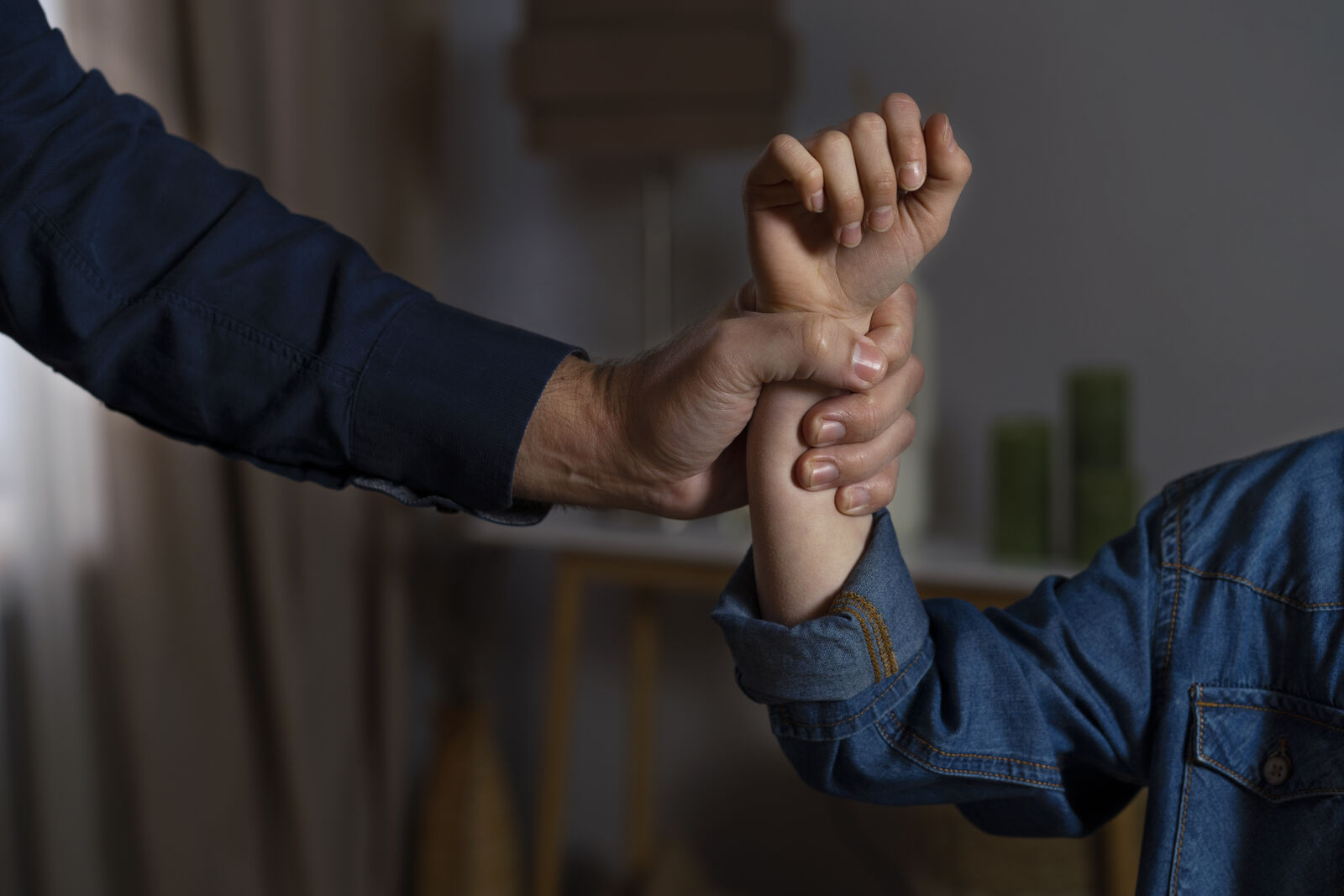
A day for the innocent children.
During my childhood, I believed that every child enjoyed the same comfort I had. Despite the familiar differences, I felt that all children had a loving, warm home where they were safe.
But it took me some more years to realize that not all children have a safe roof over their head, nor a nurturing environment.
Why This Day Matters
Childhood is meant to be a beautiful chapter in life when young minds explore the world with curiosity, joy, and a sense of safety. Every child deserves to grow up in a world free from violence, fear, and harm.
Unfortunately, that ideal is far from reality for millions of children today. From abusive households to conflict-ridden warzones, countless children are exposed to physical violence, emotional neglect, and psychological trauma.
These harsh environments leave deep scars causing anxiety, depression, trust issues, and emotional wounds in the children that can last a lifetime.
Recognizing this reality, the United Nations observes June 4th as the International Day of Innocent Children Victims of Aggression. It is a day to honour the unseen suffering of children across the world.
Acknowledging the Pain of Children
The theme of this year’s international day of innocent children victims of aggression is to ‘Acknowledge the pain suffered by children throughout the world who are the victims of physical, mental and emotional abuse’.
This acknowledgment is not just a gesture but a necessary act of compassion and responsibility for us.
The statistics show the number of children going through abuse or violence, but the trauma they receive cannot be marked beyond numbers. A wound experienced in childhood stays for a long time within that person.
What Acknowledgment Can Do
- Acknowledge a child’s suffering, so that we will be validating their experience.
- Tell them what they experienced, or what feelings they had matters.
- Heal a bit of their hurt by shifting the burden of shame from the child of being a victim.
- Help adults become safer and more responsive in the everyday moments that shape a child’s sense of trust.
When we tell them, what they experienced, or what feelings they had matters, it can heal a bit of their hurt by shifting the burden of shame from the child of being a victim.
Why Adults Must Not Minimize Pain
One of the mistakes that adults make is to belittle the child’s pain or feelings.
We might often tend to say to the child that’ It’s just a small wound’ or ‘It’s just another toy, don’t cry that it broke’ while the wound might be causing the child immense pain and the toy might have been their favorite.
They are also young humans experiencing feelings and life for the first time. Let’s cherish their emotions and make them feel seen, just as we would want to in Cultivating Children’s Emotional Wellness and Supporting Children’s Mental Health in Peer Relationships.
Aggression Is More Than Physical Violence
Aggression not necessarily means that violent means that cause physical pains.
It’s sometimes the emotional negligence, psychological manipulation, sexual abuse that causes the fear and insecurity in children that when not healed, they tend to carry towards their adulthood.
Children exposed to chronic aggression often struggle with anxiety, depression, low self-esteem, and difficulties in forming trusting relationships later in life.
When children fail to identify the abuse, they just end up feeling that something was wrong and it must have been their fault. When the adults around them fail to play a safe role, they feel unheard.
The Pain Experienced Is the Same
This day is for the children who are victims, rather it been from a warzone, children suffering from poverty, refugee camps or from homes where the child goes on suffering for the basic needs.
These children are all victims of aggression.
A child living in fear of a parent’s rage suffers just as much as a child living during a war. While the intensity of suffering may differ, the emotional impact can be deep.
Whether it’s the child in Syria who lost her school to a bomb or the boy next door who fears the slamming doors when his parents fight, the wound they carry can hurt them.
For the Children of Tomorrow’s Future
Let today not just be about remembrance, but about responsibility. Children are our future.
Every act of protection, every effort toward healing, every voice raised in their defense, creates a more compassionate world.
Listen when a child speaks and understand them. As parents, teachers, Neighbours, and fellow human beings, we each have a role in making this world a safer space for children, and we can keep building that role through calm and patient parenting.
- Listen when a child speaks.
- Understand them.
- Make this world a safer space for children.
- Strive to become that safe adult that a child can come and confide to.
If you want to go a level deeper, child maltreatment and its long-term health impacts and supporting children’s psychological resilience and recovery can help.
FAQ
Frequently asked questions
What is the core message of "International day of innocent children victims of aggression"?
A day for the innocent children During my childhood, I believed that every child enjoyed the same comfort I had. The post frames the issue through everyday parenting choices and family dynamics rather than abstract advice alone.
Why does this issue matter according to the article?
According to the article, this matters because the way adults respond shapes a child's emotional safety, confidence, and willingness to stay connected while learning.
What practical takeaway does the article leave readers with?
The practical takeaway is to slow the reaction down, stay curious about what is happening underneath the behaviour, and choose guidance, connection, and consistency over pressure, punishment, or comparison.
Updated on June 12, 2026