
Parenting
Nurturing Positive Self-Talk in Children
Learn how to address negative self-talk in children. Discover compassionate parenting strategies that build confidence and emotional resilience in your child.
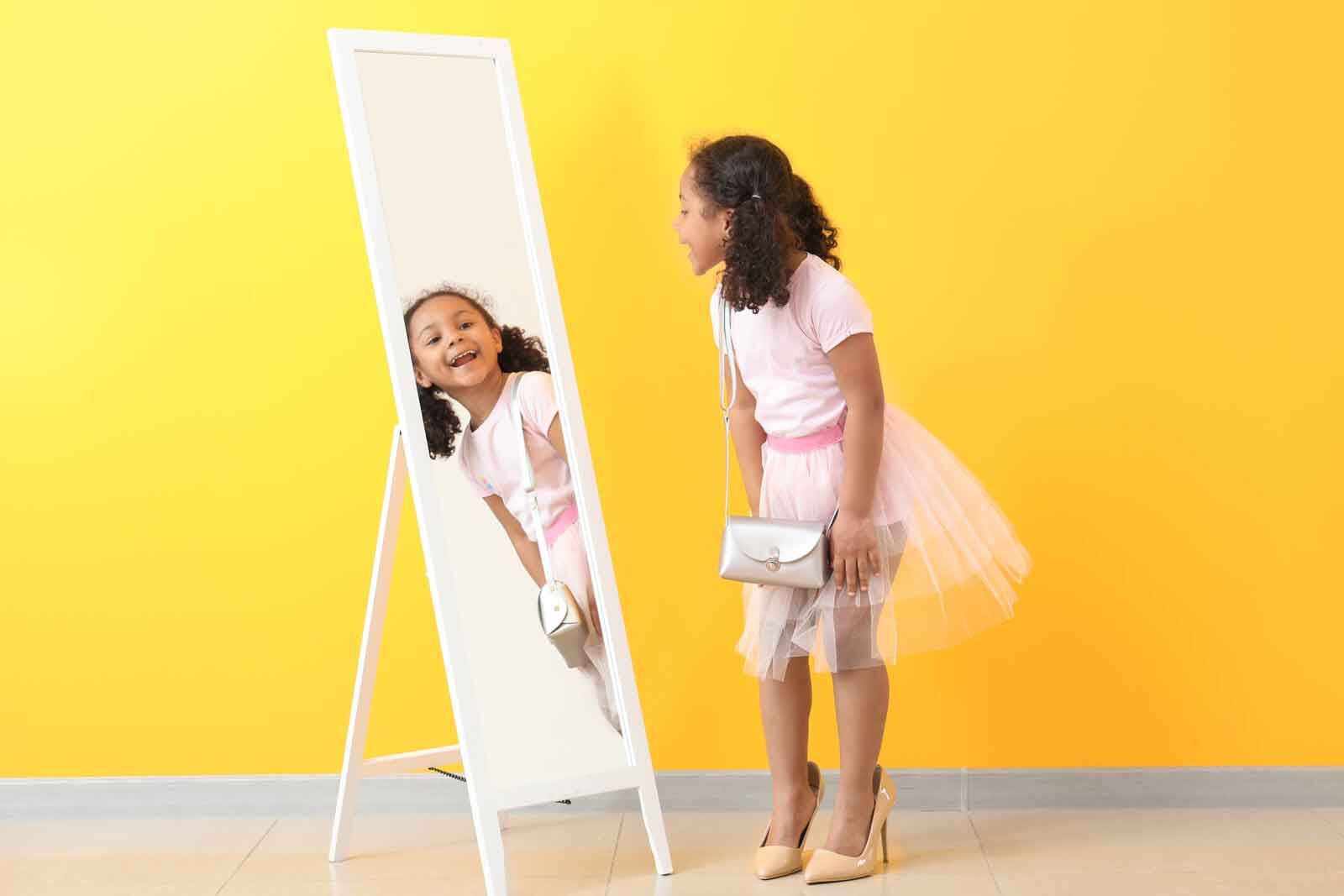
Dear Fellow Parents,
Your child says: “I’m stupid.” Or: “Nobody likes me.” Or worse: “I hate myself.”
Your heart sinks.
You don’t know what to say.
This is one of the hardest moments in parenting.
And you’re not alone in struggling with it.
Why This Matters Now
When kids use negative self-talk, they’re expressing intense emotions—disappointment, frustration, loneliness.
The way you respond shapes how they handle difficult feelings for the rest of their lives.
Your job isn’t to fix the thought. It’s to acknowledge the feeling.
Five Ways to Respond to Negative Self-Talk
- Listen First, Don’t Fix Immediately: When your child expresses negative self-talk, resist the urge to jump in with reassurance. Just listen. Let them express the feeling fully. Sometimes kids just need to be heard. Do this: Ask: “Tell me more about that.” Then actually listen without interrupting.
- Validate the Emotion (Not the Thought): Not: “You’re not stupid. You’re so smart.” (Contradiction creates isolation, not connection.) Yes: “You sound really frustrated right now.” Validation = acknowledging their emotion is real, even if the thought isn’t accurate.
- Ask Questions That Help Them Process: Questions help kids process feelings, not defend themselves. Not: “Why would you say that about yourself?” Yes: “What happened that made you feel that way?” Open-ended questions help them understand their own emotions better.
- Share Your Own Struggles: Tell them real stories about times you felt down on yourself: “When I failed at something, I felt really down on myself too.” “I made a mistake and thought I was stupid for days.” Your struggle stories show them that negative self-talk is normal and survivable.
- Use Gentle Humor When Ready: Not immediately. Wait until the emotional moment passes. Once they’ve expressed the feeling and feel heard, light humor can help: “Your inner critic is pretty loud today, huh?” “Your brain is playing tricks on you right now.” Humor reframes without dismissing their feelings.
These are the same kinds of supports discussed in Empowering Our Kids: From Bouncing Back to Bold Decision-Making and in building self-regulation.
The Gentle Parenting Approach
There’s confusion about gentle parenting.
Many think it means no boundaries.
It doesn’t.
Gentle parenting = firm boundaries + empathy.
Example:
Child: “I hate myself. I’m such a failure.”
Parent: “I hear you’re upset. That feeling is real.”
Parent: “And in our family, we don’t talk about ourselves that way. Let’s figure this out together.”
Boundary: Clear that negative self-talk isn’t accepted.
Compassion: Acknowledging the underlying emotion.
When to Seek Professional Help
Talk to a counselor if your child:
- Persistently expresses hopelessness.
- Shows signs of depression (withdrawal, mood changes, sleep issues).
- Talks about harming themselves.
- Has low self-worth interfering with daily life.
- Shows sudden changes in behavior.
Early intervention matters.
A child therapist can teach coping skills before struggles deepen.
For a more research-backed view of this, research on self-talk and child development and cognitive behavioral approaches to managing negative self-perception add useful perspective.
Take the free Parenting Checklist
Bottom Line
Negative self-talk in children usually means they’re struggling emotionally.
Your job is to create safety where they can express feelings, feel heard, and learn healthier ways to talk to themselves.
Kids with parents who respond this way develop resilience and healthy self-esteem.
This Week
- Listen for 30 seconds before responding when your child says something negative.
- Share one of your own struggles with self-doubt.
- Ask one open-ended question instead of jumping to reassurance.
Start small.
Watch what changes.
FAQ
Frequently asked questions
What is the core message of "Nurturing Positive Self-Talk in Children"?
Learn how to address negative self-talk in children. The post frames the issue through everyday parenting choices and family dynamics rather than abstract advice alone.
Why does this issue matter according to the article?
According to the article, this matters because the way adults respond shapes a child's emotional safety, confidence, and willingness to stay connected while learning.
What practical takeaway does the article leave readers with?
The practical takeaway is to slow the reaction down, stay curious about what is happening underneath the behaviour, and choose guidance, connection, and consistency over pressure, punishment, or comparison.
Updated on May 17, 2026