
Parenting
Postpartum Depression Symptoms in Working Moms: 10 Warning Signs You Can't Ignore
Recognize postpartum depression symptoms early. Explore 10 key warning signs in working mothers, emotional and physical symptoms, and when to seek professional help.
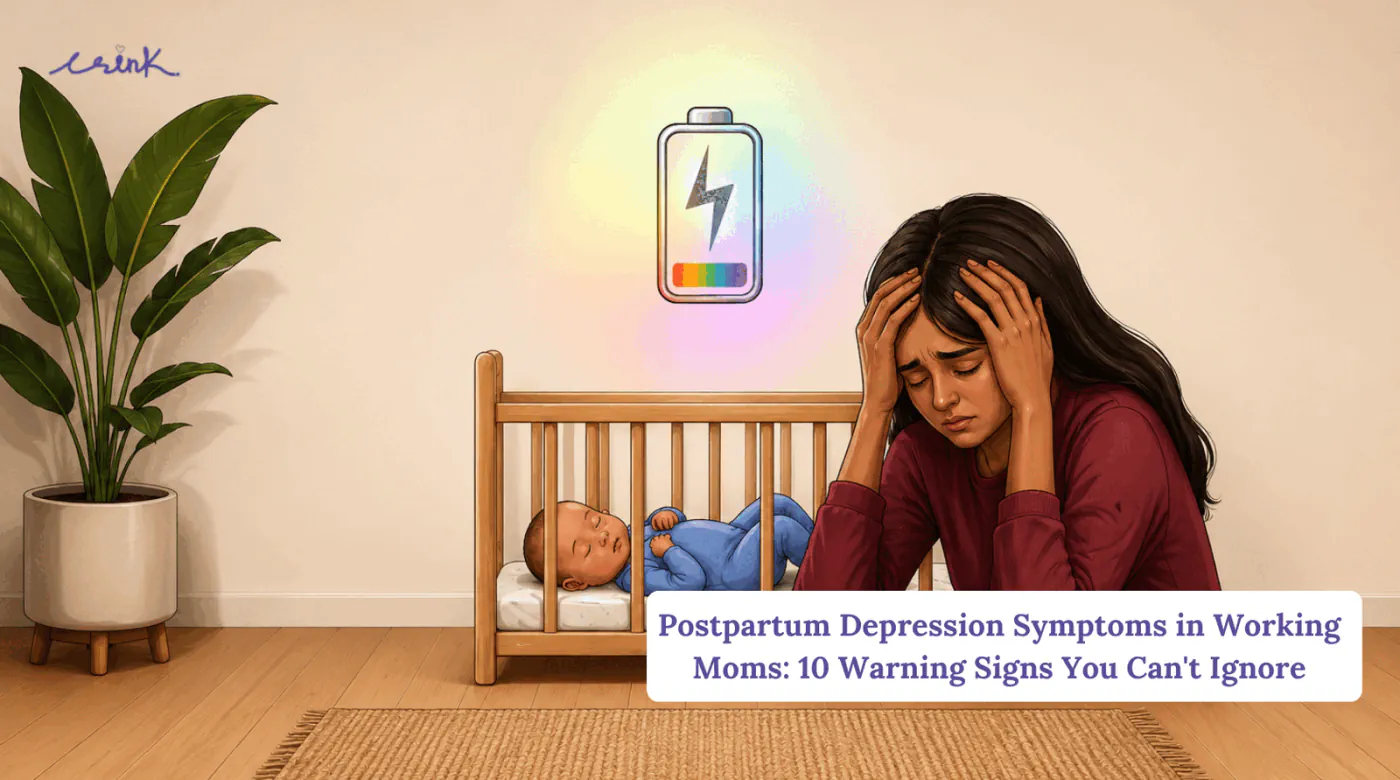
Postpartum depression in working moms often looks less like visible collapse and more like persistent numbness, rage, guilt, brain fog, withdrawal, and exhaustion that does not lift with rest. If those patterns keep showing up at home or at work, they deserve to be treated as warning signs rather than something you should quietly push through.
Why postpartum depression gets missed in working mothers
Many people still imagine postpartum depression as nonstop tears or an inability to get out of bed. In reality, it can hide behind competence. A mother can attend meetings, answer emails, pack lunches, and still feel as if something inside her is quietly coming apart. That mismatch is one reason Understanding Postpartum Depression: A Guide for New Mothers and similar early-recognition conversations matter.
Working mothers are especially likely to minimize what they are feeling. When your identity is tied to being dependable, capable, and composed, admitting that ordinary tasks suddenly feel heavy can feel like failure instead of information.
Emotional symptoms to take seriously
Sadness is only one part of the picture. Postpartum depression can show up as low mood, emotional numbness, irritability, rage, guilt, or a painful sense of disconnection from your baby, partner, or former self.
When guilt and numbness feel confusing
Many mothers feel ashamed not because they have done something wrong, but because they are not feeling what they expected to feel. The absence of instant joy, or the presence of resentment, distance, or emptiness, can make a good mother doubt herself. Those reactions are symptoms, not proof that you are failing.
Intrusive thoughts need compassion, not silence
Frightening, unwanted thoughts can also appear during postpartum depression. These thoughts can feel alarming and isolating, which is why many mothers keep them to themselves. Silence usually deepens shame. Naming the experience and getting support is safer than trying to carry it alone.
Physical and behavioral warning signs
Postpartum depression is also felt in the body. Exhaustion may stop feeling like normal new-parent tiredness and start feeling like effort against gravity. Appetite can change. Headaches, tension, and difficulty concentrating may become common. Social withdrawal can creep in because the effort of appearing fine starts to feel unbearable.
Some mothers also notice that a baby’s crying triggers panic, anger, or complete emotional shutdown. That reaction can feel frightening, but it belongs in the larger picture of a nervous system under strain.
How postpartum depression can affect work
For working mothers, postpartum depression often shows up as cognitive and professional strain. Meetings that used to be manageable become hard to follow. Emails pile up because processing and responding take more energy than before. The distance between who you were at work and what you can access right now can feel devastating.
That is one reason it helps to read postpartum distress alongside Support Options for Postpartum Depression Recovery and It’s normal to feel lost after having a baby. Nobody just told you why.. The experience is not just about mood. It can include identity loss, guilt in two directions, and the pressure to look high-functioning before recovery is underway.
Ten warning signs working moms should not ignore
- Persistent emotional numbness or disconnection
- Irritability or rage that feels disproportionate to the moment
- Overwhelming guilt and self-criticism
- Intrusive or frightening thoughts
- Exhaustion that does not lift with rest
- Loss of interest in work, relationships, or things that once mattered
- Withdrawing from people you usually lean on
- Brain fog, memory lapses, or difficulty concentrating at work
- Feeling emotionally absent during caregiving
- A persistent sense that things will not get better
If several of these feel familiar, the pattern matters more than any single symptom.
What to do next
Start by telling one person the truth about how you are feeling. Then make the next step concrete. Read through Support Options for Postpartum Depression Recovery if you want a clearer picture of care, or explore Crink’s online postpartum counselling page if you are ready to look at assessment and consultation options. If this is affecting work, home life, or your ability to care for yourself, reaching out early is a strength, not an overreaction.
If you want a broader evidence base, postpartum depression symptoms and screening and postpartum depression, anxiety, and related conditions are helpful places to start.
FAQ
Frequently asked questions
How is postpartum depression different from baby blues?
This post focuses on symptoms that persist, interfere with daily life, or deepen into numbness, guilt, rage, withdrawal, and brain fog. The concern is not a brief emotional dip after birth, but a pattern that keeps affecting caregiving, work, and your ability to feel like yourself.
Can postpartum depression look like anger or numbness instead of sadness?
Yes. One of the main points of this article is that postpartum depression does not always announce itself through visible crying. It can show up as irritability, rage, emotional flatness, frightening intrusive thoughts, or a painful sense of disconnection from your baby, your partner, or your old self.
How can postpartum depression affect working mothers differently?
For working mothers, postpartum depression often carries a professional layer. Meetings become harder to follow, emails pile up, concentration slips, and the gap between who you used to be at work and what you can access now can feel deeply shaming. That professional strain is part of the picture, not a separate issue.
What warning signs should a working mom not ignore?
The article points readers to patterns rather than one perfect symptom: emotional numbness, rage, intrusive thoughts, exhaustion that does not lift with rest, social withdrawal, disconnection during caregiving, and a persistent sense that things are not getting better. If several of these are showing up together, the pattern matters.
What should I do first if this sounds familiar?
Start by telling one trusted person the truth about how you have been feeling, then make the next step concrete. Read more about recovery options, explore postpartum support that fits your context, and reach out early if work, home life, or basic functioning are being affected.
Updated on May 30, 2026