Parenting
Unlocking the Power of Play
Discover why play is crucial for your child's development. From learning and stress relief to social skills and confidence, explore 9 ways playtime shapes your child's future.
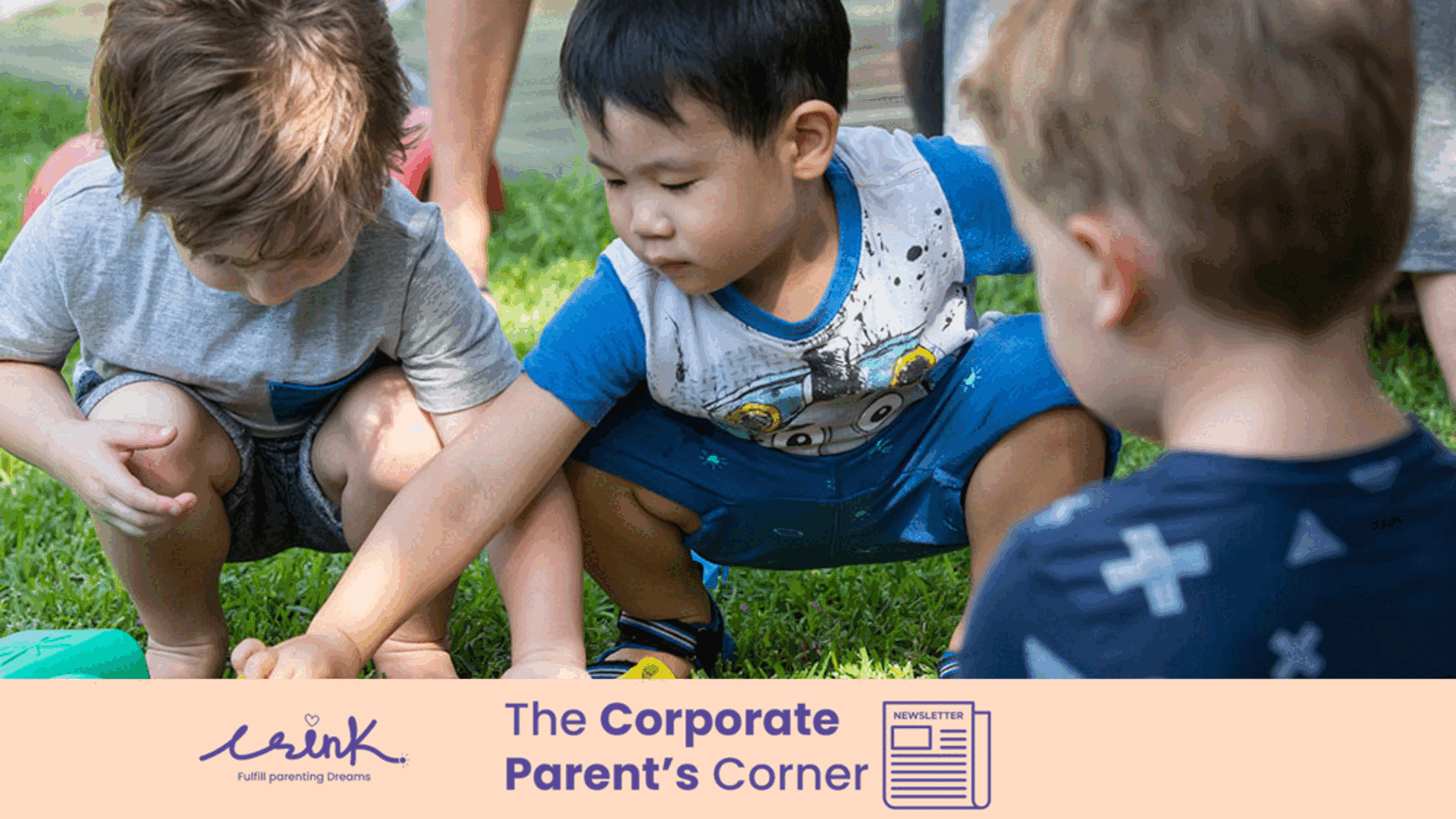
As parents juggling the demands of corporate life, it’s easy to overlook the importance of playtime in our children’s lives.
But let’s pause for a moment and consider this: Playtime isn’t just a luxury; it’s a crucial element in our children’s development journey.
Think about the last time your child lost themselves in play, no rushing, no screens, just imagination and discovery.
That moment? That’s where real development happens.
Why Play Matters
Children are born to learn through play.
The 9 Essential Benefits
-
Learning and Exploration. Play is the vehicle through which children discover the world around them. Whether exploring textures or engaging in imaginative play, every moment is a learning opportunity.
-
Coping with Stress. Stress impacts our children too. Play provides them a safe space to express emotions and develop coping mechanisms, fostering resilience in the face of challenges.
-
Creative Problem-Solving. Unstructured play encourages children to think outside the box and develop solutions. It’s how they learn to adapt, innovate, and overcome obstacles.
-
Language and Math Skills. Playtime enhances your child’s language and math abilities. From counting games to storytelling, every playful interaction contributes to cognitive development.
-
Social Skills. As working parents, we understand collaboration and communication matter. Playtime teaches children invaluable social skills like teamwork, sharing, and empathy.
-
Assessing Risk. Through play, children navigate risks in controlled environments. By allowing them to make decisions and experiment, we empower them to become confident decision-makers.
-
Physical Development. In a world dominated by screens, outdoor play is essential. It promotes physical development, improves coordination, and nurtures a healthy, active lifestyle.
-
Planning and Organization. Play teaches important life skills like planning and organization. By creating structured play environments, we help children develop these essential skills from a young age.
-
Building Confidence. Every achievement, no matter how small, boosts confidence. Whether mastering a new skill or overcoming a challenge, playtime is full of growth opportunities.
Curious About Your Child’s Play Habits? Understand how play is shaping your child’s development right now.
Take our quick parenting assessment to see where your child thrives through play and where you might unlock new opportunities.
Take the free Parenting Checklist
Play isn’t a break from learning—it’s fundamental to it.
The Bottom Line
As busy working parents, embrace play as a cornerstone of your children’s development journey.
Create environments that nurture curiosity, creativity, and resilience.
Give them the freedom to explore, experiment, and imagine.
For Working Parents: Why This Matters More Than You Think
You’re managing multiple high-stakes domains: your career, your kids, your household.
Play is how your child processes the stress of having a busy parent.
It’s also how they develop the resilience and problem-solving skills they’ll need as they grow.
Remember: children are watching how you move through the world.
When you slow down for play, you’re teaching them that presence, creativity, and connection matter more than productivity.
That’s the real power of play.
FAQ
Frequently asked questions
How much playtime does my child actually need?
There's no magic number, but most experts recommend at least 1-2 hours of unstructured play daily for young children. The key is consistency and allowing children to lead the play. Quality matters more than quantity—15 minutes of engaged, imaginative play beats 2 hours of passive screen time.
What if my child won't play without screens?
This is common with today's kids. Start by setting screen-free windows—even 20 minutes—and offer alternatives: building blocks, art supplies, outdoor exploration. Don't force it. Make play attractive by joining in occasionally, but letting them lead. Gradually, as their imagination re-engages, screens become less appealing.
Should playtime be structured or unstructured?
Both matter. Unstructured play (free exploration) builds creativity and problem-solving. Structured play (games with rules, sports) teaches teamwork and discipline. Ideally, children experience both. The balance depends on your child's temperament—some thrive with more structure, others need more freedom.
How does play help with stress in children?
Play is how children process emotions safely. Through play, they act out scenarios, solve problems, and practice coping. It's why children might "play out" worries through games or storytelling. This emotional release is as important for kids as exercise is for adults.
What if I don't have time to play with my child?
You don't need to orchestrate it. The most powerful play happens when children have materials, space, and freedom—and you're present but not directing. Sit nearby while they play, respond to them, ask open questions. That's enough. Parallel presence matters more than active participation.
Updated on June 12, 2026