
Work
The 4 Stages of Depression in Working Professionals: It’s Not Just Burnout
High-functioning depression often looks like stress or burnout. Learn the 4 stages of depression in professionals and how emotional exhaustion can go unnoticed for years
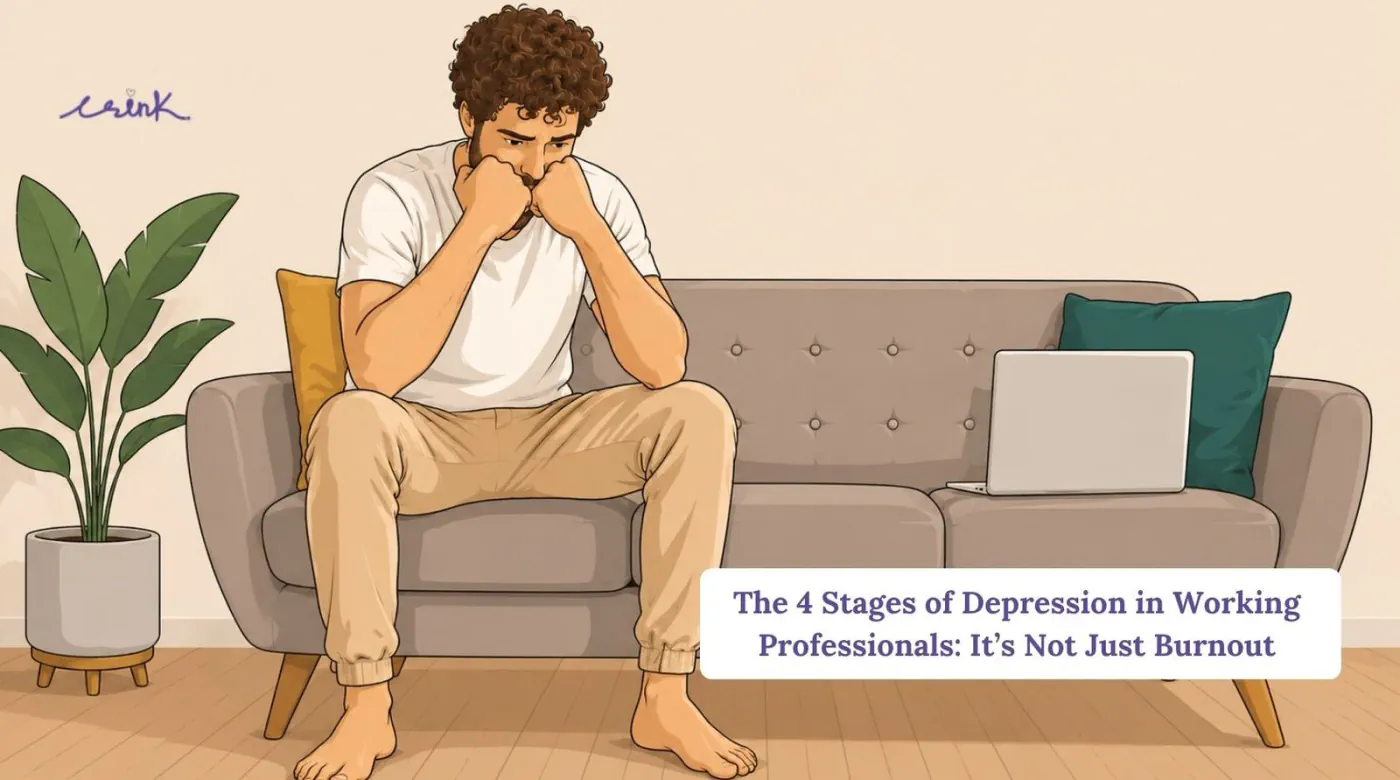
High-functioning depression is a form of depression where people continue working, managing responsibilities, and showing up for others while experiencing persistent emotional exhaustion, numbness, and disconnection underneath.
That is exactly what makes it hard to recognize. The person is still showing up. Still delivering. Still the person others rely on.
Most people picture depression as someone unable to get out of bed. But that is only one version. Another version hides inside a full calendar, delivered projects, and maintained relationships.
What High-Functioning Depression Hides
People living with this kind of depression are not necessarily in denial. They have often concluded, reasonably, that what they are experiencing is stress, burnout, or the natural exhaustion of a demanding life.
Those things may be present. But they may not be the whole story.
Someone with visible depression may withdraw from work and relationships. Someone with high-functioning depression may keep performing well at work, stay present in relationships, and complete every task while feeling emotionally absent underneath.
That is why people often first notice adjacent signs through things like panic versus anxiety symptoms or other hidden emotional strain.
The ability to keep functioning becomes the very thing that hides the struggle.
The 4 Stages of Depression in Professionals
Understanding these stages is not about self-diagnosing. It is about noticing how emotional exhaustion becomes normalized in the lives of high-functioning people.
- Making sense of it: “I am just stressed. It is a busy season. It will pass once things settle.” At this stage, every emotional struggle gets explained away through circumstances.
- Coping through control: “I just need a better routine. More sleep. A system that actually works.” The person becomes focused on fixing the surface while the deeper struggle remains untouched.
- Getting used to it: “This is just what this stage of life feels like.” Constant tiredness, numbness, and disconnection start feeling normal.
- The mask of functioning: “I am fine. I am functioning. This is just who I am now.” From the outside, everything seems stable, while internally life feels emotionally distant.
When High Performance Starts Hiding Emotional Exhaustion
This is often the stage where the pattern becomes most heartbreaking to recognize.
We have seen people function at a high level for months or years with no visible sign that something is wrong. A senior leader can keep delivering, keep leading, keep looking composed, while privately second-guessing every decision and feeling less connected to everything that once mattered.
Because they are still productive and capable on the outside, neither they nor the people around them always realize that something deeper is wrong.
This can also overlap with the same invisible depletion seen in motherhood burnout and identity loss, where performance and responsibility hide the actual cost.
Why It So Often Goes Unnoticed
For many working professionals and parents, being dependable is part of identity. They are used to managing problems, staying responsible, and being the person others rely on.
Because of that, admitting that the problem might be depression can feel less like acknowledging a mental health issue and more like questioning who they are.
Stress feels more acceptable than depression. Burnout feels easier to say out loud. Independence can delay seeking support because the person keeps believing they simply need better routines, better discipline, or more efficiency.
That is also why support structures such as mental health coaching can help some people recognize the pattern earlier.
Recognition Is Where It Starts
If any of these stages felt familiar, notice your first reaction. Many people immediately start explaining why it does not fully apply to them.
That response is common, and it is often part of the same pattern.
High-functioning depression does not usually improve through better routines alone. Real improvement begins when the struggle is recognized honestly and explored with the right support.
If you want a broader evidence base, depression symptoms and stages and clinical depression in adults are helpful places to start.
Take the free Stress Assessment
You do not need the right words for it yet. You do not need to match a clinical definition. What you need is permission to stop dismissing the experience.
FAQ
Frequently asked questions
What is the core message of "The 4 Stages of Depression in Working Professionals: It’s Not Just Burnout"?
High-functioning depression often looks like stress or burnout. The post explains the issue in concrete, recognizable terms so readers can tell the difference between a difficult phase and something that deserves real attention.
Why does this issue matter according to the article?
According to the article, this matters because early recognition, informed support, and compassionate responses can change outcomes for the person affected and the people around them.
What practical takeaway does the article leave readers with?
The practical takeaway is to learn the signs, take symptoms seriously, and reach for timely professional or practical support rather than waiting for fear, exhaustion, or shame to deepen.
Updated on May 22, 2026