
Self
Is Bedtime Scrolling Disturbing Your Sleep?
I spend hours scrolling my phone at night and wake up tired’, said a client of mine. She is a woman in her early 30s, balancing a 9-5 job...
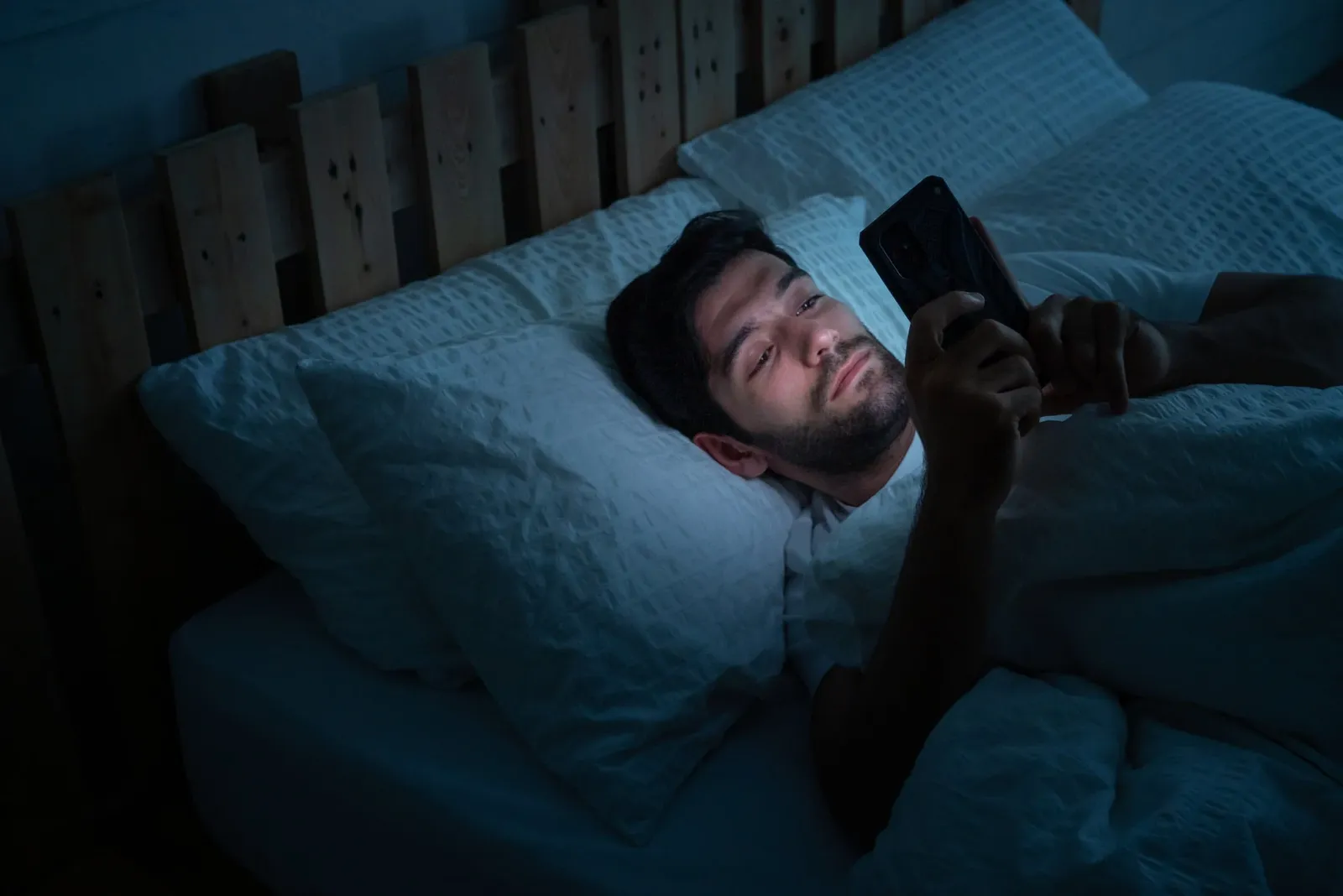
‘I spend hours scrolling my phone at night and wake up tired’, said a client of mine.
She is a woman in her early 30s, balancing a 9-5 job while raising two young children of aged 5 and 3. Her in-laws help with looking after the children while she is at work and her husband stays at a different location due to work commitments.
After a long day at the office, she rushes home to be with her kids, prepare dinner and get them settled into bed.
Why Bedtime Scrolling Feels Like Relief
By the time she finishes the household chores, all she wants is a moment of peace—a well-deserved rest.
She switches off the lights, gets into bed, and finally gets ready to relax. But before drifting off to sleep, she checks her phone, opens Instagram, scrolls and then gets lost in the endless stream of reels.
It feels like a small reward, something she’s earned after a hectic day. But before she knows it, time slips away, and she ends up going to bed much later than planned, disrupting her routine and making her feel more tired the next morning.
This isn’t a story of just one person—it’s a reality faced by many. The goal will be to relax after a long day, but ends up sacrificing the rest we need, all because of a few more minutes of screen time.
What Late-Night Screen Time Can Do
A study published in the Journal of Clinical Sleep Medicine found that individuals with four or more electronic devices beside their bed were 1.3 times more likely to experience sleep latency longer than one hour.
At Crink, our team of Psychologists often hear from clients about the challenges they face with bedtime screen usage, and this was one handled by me.
Bedtime scrolling can negatively impact sleep quality, increasing the risk of long-term health issues.
How to Break This Habit
Making intentional changes to your routine can help improve sleep and overall well-being.
Four Changes That Can Help
- Set a Healthy bedtime routine – Establish a screen-free period 30–60 minutes before bed. Replace scrolling with reading, journaling, or light stretching.
- Use Blue Light Filters – If phone is a necessary, enable night mode or wear blue-light-blocking glasses.
- Create a Sleep-Friendly Environment – Dim the lights, use blackout curtains, and keep your bedroom cool to signal your body it’s time to rest.
- Keep Your Phone Away from Your Bed – Charge it outside the bedroom or use an alarm clock instead of your phone to reduce temptation.
These healthy habits laid the foundation for a structured bedtime routine, reducing the need for nighttime phone use and making room for the deeper rest explored in Why Sleep Is the Foundation of Mental Health.
While these general strategies promote better sleep, individual adjustments can make the routine more effective based on personal needs, especially when the habit is also tied to stress or exhaustion like the patterns discussed in Early Signs of Burnout You Shouldn’t Ignore.
A personalized sleep routine was created for the client, and as she followed it consistently for a few weeks, she noticed visible changes in her sleep quality and felt less tired after waking up.
Over the time, the new habit had become her routine, she started enjoying her bedtime routine and no longer needed phone while going to bed. Further her energy levels improved, and she no longer felt fatigued in the mornings making her feel lively.
For readers who want outside context alongside this story, how technology affects mental health and sleep and research on screen time and sleep quality are useful reference points.
Take the free Stress Assessment
Trying to change a routine is not easy, it must happen through different steps such as recognizing and analyzing the issue to find it’s root cause.
Taking the First Step to Break Habits
While reading this, you might wonder if this process is a piece of cake, but what Mrs. X achieved was the result of her strong willpower to break a habit that had been a part of her routine from a long time.
In this case, I could only help her in guiding towards the desired goal of forming a new habit.
The commitment and efforts taken by the client was crucial in implementing the change, which I would like to call the ‘First step in breaking Habits’.
The process will be challenging, but with committing yourself in that, the change will happen.
FAQ
Frequently asked questions
Is Bedtime Scrolling Disturbing Your Sleep?
I spend hours scrolling my phone at night and wake up tired’, said a client of mine. The post explains the issue in concrete, recognizable terms so readers can tell the difference between a difficult phase and something that deserves real attention.
Why does this issue matter according to the article?
According to the article, this matters because early recognition, informed support, and compassionate responses can change outcomes for the person affected and the people around them.
What practical takeaway does the article leave readers with?
The practical takeaway is to learn the signs, take symptoms seriously, and reach for timely professional or practical support rather than waiting for fear, exhaustion, or shame to deepen.
Updated on June 12, 2026