
Self
World Hypertension Day: Beyond Numbers, Understanding the Pressure Within
Discover how stress and emotional health impact high blood pressure. Learn simple ways to manage hypertension this World Hypertension Day.
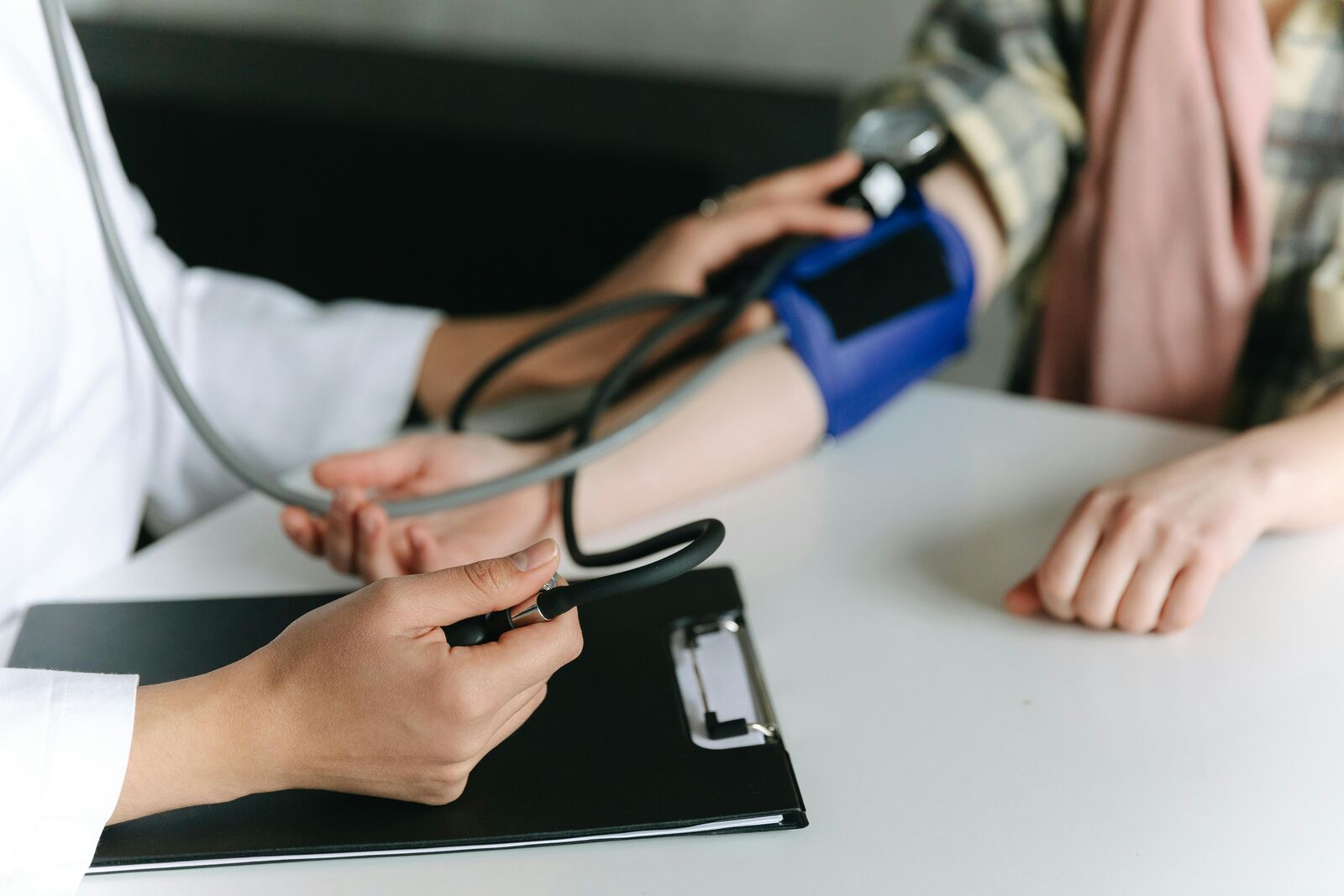
Every year on May 17th, World Hypertension Day reminds us of the importance of monitoring, understanding, and managing high blood pressure. In today’s fast-paced world, hypertension is not just a matter of physical health. It is deeply tied to the emotional and psychological pressures we face daily.
This ongoing tension may not always feel intense, but it is chronic, unrelenting, and cumulative. Over time, stress becomes one of the strongest, yet often ignored, contributors to high blood pressure.
The Modern Stress Web
We live in an age where boundaries between work, home, and personal space have blurred. Constant digital connectivity, financial instability, caregiving responsibilities, career pressures, and societal expectations create a mental load. Our minds and bodies must carry this load silently.
When that load becomes familiar, people often normalize it. That is why pieces like Busy All Day but Still Unproductive? Try Mindfulness and Why Working Parents Feel Emotionally Exhausted resonate with so many readers. They name the strain before the body starts doing it instead.
The Psychological Roots of Hypertension
While hypertension is often discussed in relation to lifestyle factors like diet, exercise, or smoking, psychological elements also play a critical role. Anxiety, depression, unresolved trauma, prolonged grief, and even suppressed anger can lead to increased blood pressure.
These emotional states activate the body’s stress response system. This system releases hormones like cortisol and adrenaline, constricting blood vessels and increasing heart rate. Frequently, individuals do not realize that emotional suppression, excessive self-criticism, or internalized guilt creates a perpetual fight-or-flight mode.
Coping With Pressure: It’s Not Just Medical
Managing hypertension requires a holistic approach. Here are ways to address it from both physical and psychological angles:
- Create mental space: Schedule regular breaks during the day. Even five minutes of silence or deep breathing can help reset your nervous system.
- Practice emotional awareness: Start journaling or use a thought record to track emotions and triggers. Recognize patterns in what makes your heart race or your shoulders tense. If you need somewhere to begin, The Unsaid Power of Journaling: A Simple Way to Ease Stress is one place to start.
- Healthy expression: Do not bottle up emotions. Speak to a trusted friend, therapist, or write a letter to your inner child.
- Routine check-ups: Monitor your blood pressure regularly, especially if you have a family history or experience frequent stress. Seek medical and psychological support. One complements the other.
- Mind-body activities: Engage in yoga, walking, mindful breathing, or even art. Activities that synchronize the mind and body can lower stress and support blood pressure regulation.
Take the free Stress Assessment
Understanding Hypertension in a Broader Context
Hypertension is more than a statistic; it reflects our overall well-being. It is essential to step back and consider how our thoughts and emotions impact our physical health.
Blood pressure management is not limited to our diets. It also includes our thoughts, feelings, and experiences.
Blood pressure management will not be complete without considering emotional well-being. Chronic stress and unresolved emotions can lead to numerous physical health issues, which is why emotional healing matters.
Support Systems Matter
Having a support system can be vital in managing both emotional and physical health. Friends, family, or groups specializing in mental wellbeing can provide significant assistance. Sharing burdens makes them lighter.
On this World Hypertension Day, let this be a reminder to care for both your heart and mind. Make space in your routine for peace, reflection, and support. Your health is not just physical. It is personal, emotional, and deeply human.
FAQ
Frequently asked questions
What is the core message of "World Hypertension Day: Beyond Numbers, Understanding the Pressure Within"?
Discover how stress and emotional health impact high blood pressure. The post explains the issue in concrete, recognizable terms so readers can tell the difference between a difficult phase and something that deserves real attention.
Why does this issue matter according to the article?
According to the article, this matters because early recognition, informed support, and compassionate responses can change outcomes for the person affected and the people around them.
What practical takeaway does the article leave readers with?
The practical takeaway is to learn the signs, take symptoms seriously, and reach for timely professional or practical support rather than waiting for fear, exhaustion, or shame to deepen.
Updated on June 12, 2026