
Self
Changing the Narrative on Suicide — National Suicide Prevention Month
Explore National Suicide Prevention Month: warning signs, community support, and breaking stigma. Learn how compassion saves lives—get mental health resources with Crink
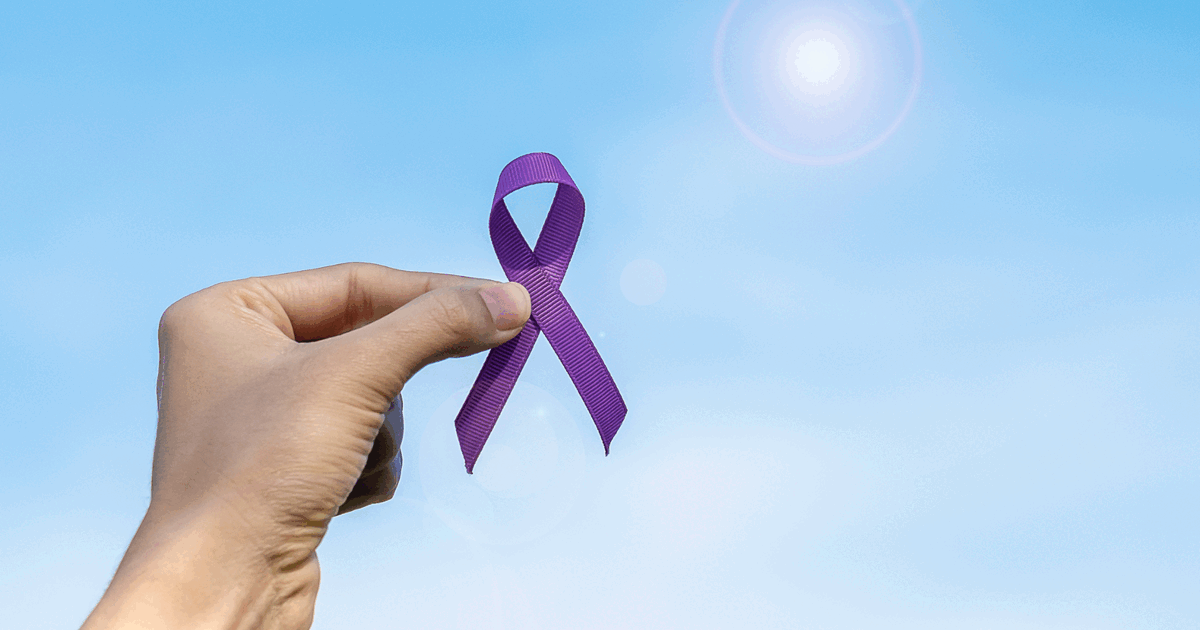
Every September, we are reminded of a difficult truth: suicide affects millions of people and families each year.
This year’s theme, “Changing the Narrative on Suicide,” reminds us to move beyond discussion and change how we, as families, friends, and communities, respond.
Instead of responding with silence, shame, or judgment, people need openness, compassion, and support.
Understanding the Impact of Suicide
Changing the way we think means moving away from blame and stigma and focusing on prevention and care.
It is about making mental health support easy to reach, creating safe spaces, and building systems that help people before things get to a worse point.
When schools, workplaces, health services, and governments step in early, lives can truly be saved.
According to the World Health Organization, every 40 seconds, somewhere in the world, a person dies by suicide.
Behind each number is a person with dreams, struggles, relationships, and a story worth saving.
The Role of Isolation, Substances, and Later Life
Feeling lonely is one of the biggest risks, especially for older adults who may have lost a partner, are dealing with health problems, or feel cut off from others.
Struggling with alcohol or substance use can also make feelings of hopelessness worse and lower self-control, making life feel even heavier.
That is why noticing these struggles and reaching out early can make a huge difference.
Warning Signs to Watch Out For
Suicide does not usually happen without signs.
- Talking about feeling hopeless.
- Withdrawing from loved ones.
- Changes in eating or sleeping.
- Using more alcohol or substances.
- Giving away valued belongings.
Not every situation can be predicted, but noticing these changes and responding with care can give someone the time, space, and hope they need to hold on.
These signs can also overlap with other forms of distress, including anxiety and depression or the kinds of warning signs professionals miss at work.
How Suicide Affects Loved Ones
The pain of suicide does not just touch the person struggling; it extends to families, friends, and the entire community.
Every attempt or loss leaves loved ones behind with guilt, grief, and unanswered questions.
During therapy, a client who survived a suicide attempt shared how, afterwards, people blamed her family, saying they could not stop her, even criticizing the way she was raised and the lack of open communication at home.
That judgment made the family’s pain even heavier and healing much harder.
This is why families need support as well. They do not need blame or criticism; they need compassion, safe spaces, and the chance to heal alongside their loved ones.
What We Can Do
We all have a part to play.
- Ask directly about suicidal thoughts.
- Listen without judgment.
- Stay with them.
- Remove immediate means of harm.
- Help them connect with professional support.
Asking directly about suicidal thoughts does not plant the idea; it opens a door.
Sometimes, the most powerful thing we can do is simply sit with someone in their darkest moment and show them they are not alone.
Learn the warning signs and notice changes in the people around you. Talk openly, listen with care, and help reduce risks where you can.
Check in on people who may be feeling lonely or struggling with addiction.
Having suicidal thoughts doesn’t mean someone is weak; it usually means they are in deep pain and do not know another way out.
By changing the narrative from stigma to compassion, we can offer hope and connection. Every single conversation matters.
The Importance of Community Support
Communities play a crucial role in preventing suicide.
By fostering an environment of understanding and support, we can create safe spaces for individuals to share their struggles.
Community initiatives, such as support groups and awareness campaigns, can help reduce stigma and encourage open conversations about mental health.
Building Safe Spaces
Creating safe spaces involves more than just physical locations.
It requires a mindset shift towards acceptance and understanding.
Schools, workplaces, and community centers can implement programs that promote mental well-being and provide resources for those in need.
The Role of Education
Education is vital in changing the narrative around suicide.
By teaching individuals about mental health, warning signs, and how to support someone in crisis, we empower communities to take action.
Workshops, seminars, and informational resources can equip people with the knowledge they need to make a difference.
Encouraging Open Dialogue
Encouraging open dialogue about mental health can help break down barriers.
When individuals feel comfortable discussing their feelings, it reduces the isolation that often accompanies suicidal thoughts.
Community events, such as mental health awareness days, can provide platforms for sharing stories and experiences.
The Power of Connection
Connection is a powerful tool in preventing suicide.
Building relationships within communities fosters a sense of belonging and support.
Simple acts of kindness, such as checking in on a neighbor or offering a listening ear, can make a significant impact on someone’s life.
Changing the narrative on suicide requires collective effort.
By fostering compassion, understanding, and support, we can create a world where individuals feel safe to share their struggles.
It is essential to remember that every conversation matters. Together, we can build a future where hope prevails and lives are saved.
Crink is an AI-driven online mental wellness platform for busy working families and professionals, helping individuals access emotional support, counselling, and mental wellness resources in a more accessible and convenient way.
To widen the lens a little, suicide warning signs and risk factors and community support and prevention resources are worth reading.
FAQ
Frequently asked questions
What is the core message of "Changing the Narrative on Suicide — National Suicide Prevention Month"?
Explore National Suicide Prevention Month: warning signs, community support, and breaking stigma. The post explains the issue in concrete, recognizable terms so readers can tell the difference between a difficult phase and something that deserves real attention.
Why does this issue matter according to the article?
According to the article, this matters because early recognition, informed support, and compassionate responses can change outcomes for the person affected and the people around them.
What practical takeaway does the article leave readers with?
The practical takeaway is to learn the signs, take symptoms seriously, and reach for timely professional or practical support rather than waiting for fear, exhaustion, or shame to deepen.
Updated on May 15, 2026