
Self
How Therapy for Anxiety and Depression Can Help You Take Back Control of Your Life
Explore how therapy for anxiety and depression works, its key benefits, and when to seek help. Learn proven ways to manage symptoms and regain control of your life.
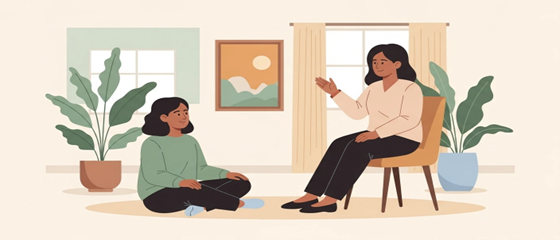
Feeling stuck, overwhelmed, or unable to get through the day is more common than most people realise.
If anxiety or depression has started affecting your relationships, work, or daily routine, you are not alone.
Therapy for anxiety and depression offers a proven path to understanding your emotions, breaking unhelpful thought patterns, and regaining a genuine sense of control.
What Anxiety and Depression Can Look Like
Anxiety and depression go far beyond feeling sad or occasionally worried.
Symptoms Show Up Differently
They can affect sleep, concentration, relationships, energy, and the ability to function day to day. Some people feel persistent dread or fear. Others experience low mood, fatigue, loss of interest, or physical symptoms such as headaches, a racing heart, and disrupted sleep.
These struggles can look different from person to person, which is why many people first confuse them with the patterns described in The 4 Stages of Depression in Working Professionals or with the symptoms discussed in panic versus anxiety.
How Therapy Works
Therapy provides a safe and structured space to explore thoughts, emotions, and behaviours with a trained professional.
It helps you identify triggers, build healthy coping skills, and gradually shift the patterns that contribute to anxiety and depression.
CBT Is One Common Approach
One widely used approach is Cognitive Behavioural Therapy, or CBT, but therapists may also draw from person-centred or mindfulness-based work depending on what you need.
You do not need to reach a crisis point to benefit from professional support.
Signs It May Be Time to Seek Help
- Persistent low mood or sadness lasting more than two weeks.
- Constant worry or fear that is hard to switch off.
- Trouble sleeping, eating, or completing daily tasks.
- Withdrawal from friends, family, or activities you once valued.
- Feeling hopeless, helpless, or as though nothing will improve.
- Physical symptoms without a clear medical cause.
What Therapy Can Change
Therapy offers more than symptom relief.
Over time, it can build emotional resilience, improve self-awareness, strengthen relationships, and help you respond to difficult thoughts with more clarity and less fear. Many people also become more present and patient in everyday life, including at home.
If home life is part of the strain, therapy can work alongside support like staying calm and patient as a parent.
Taking the First Step
Starting therapy can feel daunting, but the process is simpler than most people expect.
Choose a therapist or platform that fits your schedule, language, and needs. Give the process a few sessions, stay open, and remember that progress often comes through small, consistent steps rather than one dramatic breakthrough.
For a more research-backed view of this, evidence-based anxiety treatment approaches and professional support for depression add useful perspective.
Take the free Stress Assessment
Anxiety and depression can make life feel heavy, but they do not have to stay that way.
Therapy is not a quick fix. It is a way of building greater ease, clarity, and confidence over time.
FAQ
Frequently asked questions
What is therapy for anxiety and depression?
Therapy for anxiety and depression is a structured process where a trained professional helps you explore and manage difficult emotions, thought patterns, and behaviours. It offers personalised tools and strategies to reduce symptoms and improve overall mental well-being over time.
How long does therapy for anxiety and depression take to work?
Most people begin to notice improvements within 6 to 12 sessions, though this varies depending on the individual and severity of symptoms. Therapy for depression and anxiety is not a one-size-fits-all process, and consistent effort often leads to more lasting results over time.
What types of therapy are most effective for anxiety and depression?
Cognitive Behavioural Therapy is among the most research-backed approaches for anxiety and depression. Other effective options include mindfulness-based therapy, person-centred counselling, and interpersonal therapy. A qualified therapist will recommend the most suitable approach based on your specific needs and goals.
Can I do therapy online instead of in person?
Yes. Online therapy is just as effective as in-person sessions for many individuals dealing with anxiety and depression. It offers added flexibility and comfort, making it easier to access support from home. Platforms like Crink offer online counselling in multiple languages for added accessibility.
Is therapy suitable for mild anxiety or depression?
Absolutely. Therapy is beneficial at any stage of anxiety or depression, including mild cases. Online therapy offers a flexible and accessible way to get early support, helping you build coping skills before challenges become more difficult to manage in daily life.
What is the difference between therapy and counselling for depression?
Counselling typically addresses specific life challenges and shorter-term difficulties, while therapy for depression and anxiety involves a deeper exploration of thought patterns, emotional responses, and long-standing behavioural cycles. Both can be effective depending on your individual situation and what you need most.
Can therapy replace medication for anxiety and depression?
For some individuals, therapy alone is sufficient. For others, a combination of therapy and medication provides the best outcome. This decision should always be made in consultation with a qualified medical professional or psychiatrist based on your specific diagnosis and health needs.
How do I know if I need therapy for anxiety or depression?
If anxiety or depression is affecting your sleep, relationships, work, or daily functioning for more than two weeks, seeking support is a sensible step. You do not need to be in crisis to benefit. Speaking to a mental health professional can provide clarity and direction.
Is therapy confidential?
Yes. Therapy sessions are confidential by professional and ethical standards. A therapist will not share your personal information without your consent, with limited exceptions such as immediate safety concerns. This confidentiality creates a safe and trusting environment for open and honest conversation.
How do I find the right therapist for anxiety and depression in India?
Look for a licensed psychologist or counsellor with experience in anxiety and depression. Consider their language, availability, and approach. Reading the Crink blog can also help you understand what to expect from therapy and how to make an informed choice.
Updated on June 12, 2026